
Section outline
-
-
We reached our final goal: to apply the concepts discussed before to the main problem of designing a Digital Transformation toward I4.0. The process is interpreted as a planning (in the sense of Artificial Intelligence Automatic Planning), starting from a clear identified start point (eventually I3.0) and going to wherever possible, close to a full I4.0 model. Given the company's maturity and readiness, the uncertainty in the final point relates to reducing risks, aiming to reach a prohibitive point. In this class, we will pose the general problem and a research agenda for digital transformation, starting with the required characteristics of formal methods to treat Digital Transformation.
-
Gong, C. and Ribiere, V.; Developing a Unified Definition of Digital Transformation, Technovation, 102, Elsevier, 2021.
-
As expected, we reached the course's final module, merging all the concepts, methods, and techniques discussed in the previous modules to find a design approach capable of delivering a strategic plan to bring a company to an I4.0 stage. Therefore, we are not close to a direct implementation, which is not surprising, treating with original academic topics.
On the other hand, we need to mature the discussion and the concepts in this scope. Otherwise, the study will not be useful in practice. We are dealing more with mindset than developing new skills, but we cannot neglect the search for a new posture and attitude facing the digital transference challenge. This is why we launched this chat. You can post questions, opinions, and uncomfortable feelings, and we will discuss them freely. Let us start!
-
Describe what is your position and comments about the Module 3 of the course. Position papers must have up to two pages only.
-
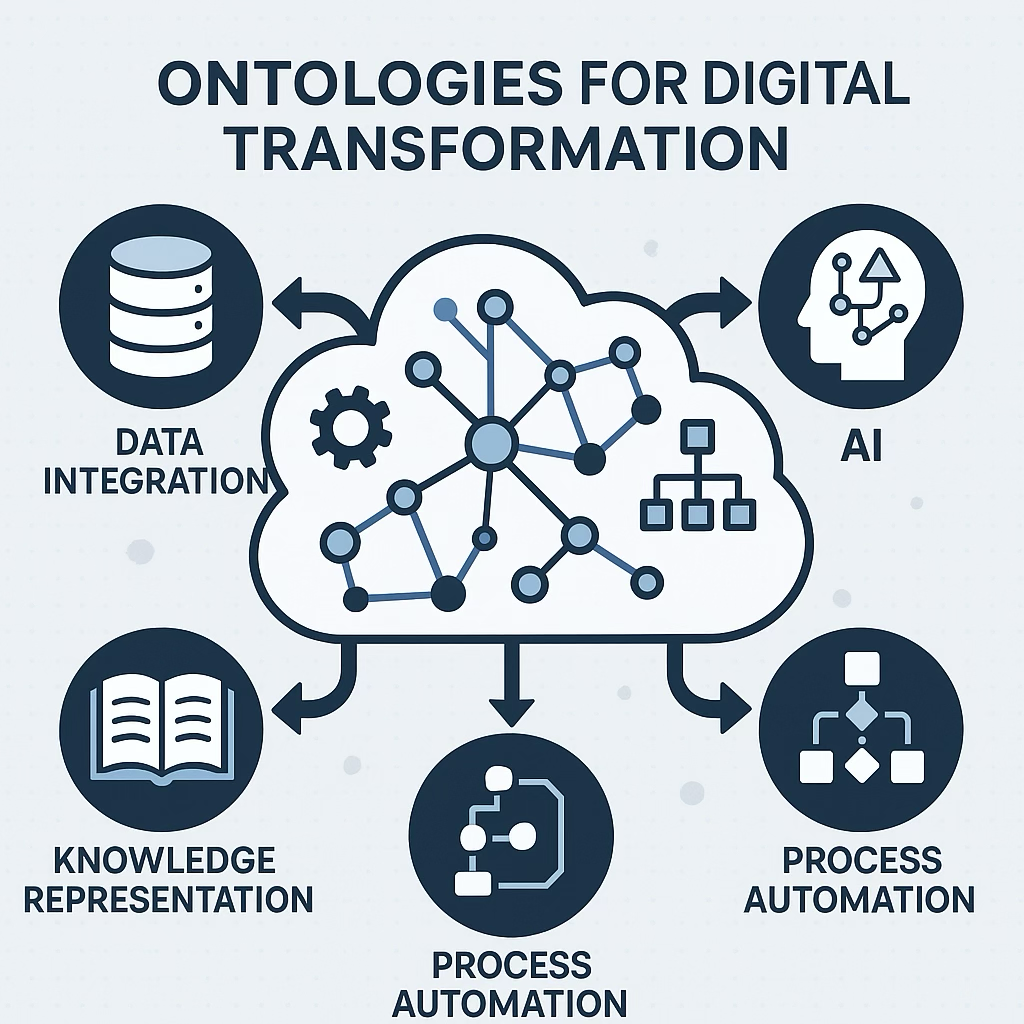
Continuing our lecture on Digital Transformation and its strategic process, we will introduce the data space components. As pointed in the last class, digital documentation based on data spaces is the core of the digital transformation process. Data Spaces became a world tendency for any automated system, including MaaS. International Data Space Association was launched in 2022, aggregating companies, financial marketing, developers, and academia. In the same year, the European Community launched the Data Space Support Centre (DSSC) to apply efforts to introducing data space into the public sector. However, the important for us is the role of data space as the infrastructure to design digital transformation processes to achieve a MaaS that fits the requirements of I4.0.
-
The Practical Challenge of Digital Transformation
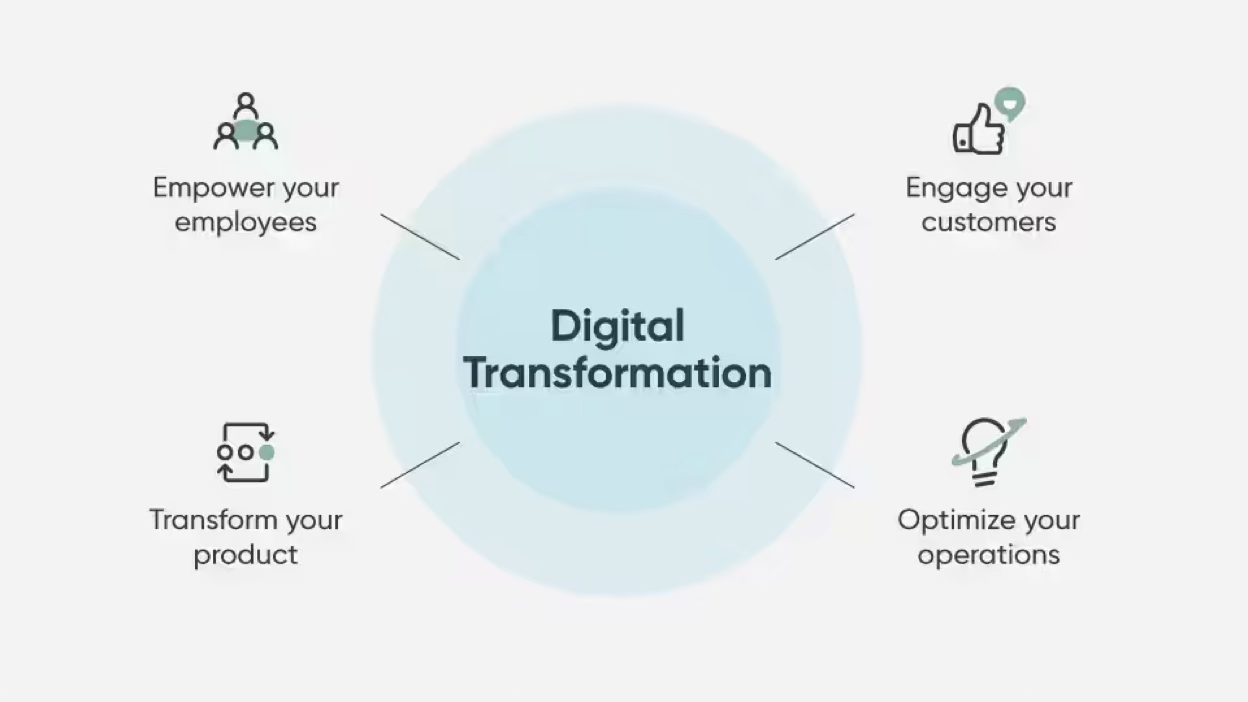
We reached the end of the course, composing all the concepts into a design proposition for a roadmap to a target company on its way to I4.0. As discussed before, the final state could be any of the maturity levels presented by ACATECH (not necessarily the last one), depending on the technology and business maturity of the demanding company and its position in the ecosystem. Technological and business aspects should figure in equal conditions to compose the company's goals.
The method is ambidextrous and seeks horizontal and vertical integration and a higher level of interoperability. In this last class, we also intend to clarify the role of AI and its matching with a data-oriented approach, which was presented in the last class.
-
This is a forum to discuss the preparation of the final paper. We will be open to talk about propositions and their implementation to support the article.
-
-